Executive Summary
Reaction time plays a central role in driving safety, especially for older adults. It affects how quickly a driver responds to sudden changes such as braking traffic, pedestrians, or traffic signals. Even minor delays can influence stopping distance and decision accuracy.
As people age, reaction time often changes due to natural shifts in vision, cognitive processing, and physical movement. These changes are common and gradual, not sudden. They do not automatically make someone an unsafe driver.
This article explains how reaction time changes with age, how it impacts real world driving situations, and what older drivers can do to manage risk while maintaining independence and confidence.
Why Reaction Time Matters for Older Drivers
Reaction time connects awareness with action. It includes noticing a hazard, deciding how to respond, and physically carrying out that response. Each part is important for safe driving.
Older drivers often rely on experience and judgment, but reaction time influences moments when quick responses are required. Understanding this connection helps drivers make informed adjustments rather than assumptions about their ability.
This topic also matters because reaction time related incidents can affect insurance reviews, DMV evaluations, and long term driving confidence.
How Reaction Time Changes With Age Over Time
Reaction time is influenced by the brain, senses, and body. Aging affects each of these areas gradually and differently for every individual.
Cognitive Processing Speed Changes
As people age, the brain may take slightly longer to interpret visual and auditory information. This can mean recognizing a hazard moments later than before, especially in complex traffic situations.
These changes do not reflect poor judgment. Many older drivers offset slower processing by driving more cautiously and avoiding high risk situations.
Vision and Sensory Input Shifts
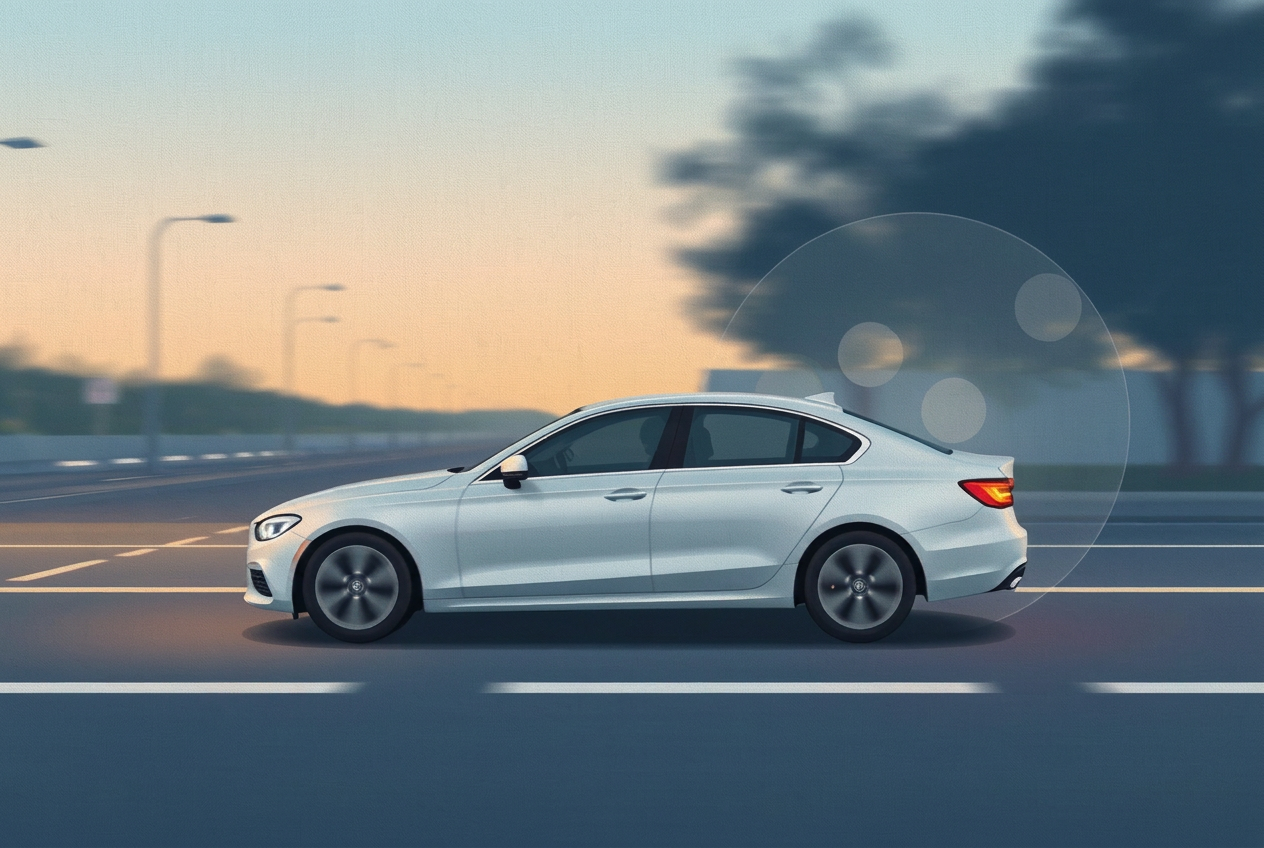
Vision is critical to reaction time. Aging eyes often need more light, take longer to adjust between brightness levels, and may have reduced contrast sensitivity. These factors can delay hazard recognition, particularly at night or in poor weather.
Hearing changes can also contribute. Sirens or horns may be noticed later, which adds to overall response time in busy environments. For a deeper look at how the eyes and brain process hazards together, see the science of visual processing and aging drivers.
Physical Movement Response Factors
After the brain decides to act, the body must respond. Joint stiffness, reduced flexibility, or muscle weakness can slow movements such as shifting from accelerator to brake.
These physical factors are common with age and highlight the importance of smooth driving habits and increased following distance.
Driving Situations Most Affected by Reaction Time
Certain driving scenarios place greater demand on reaction speed. Recognizing these situations allows drivers to plan and adjust effectively.
Stopping Distance and Following Space
When traffic stops suddenly, reaction time directly affects how far a vehicle travels before braking begins. Even a small delay can add significant distance at higher speeds.
Maintaining extra following distance is one of the most effective ways to manage reaction time changes. It provides a safety buffer without restricting mobility.
Intersections and Turning Decisions
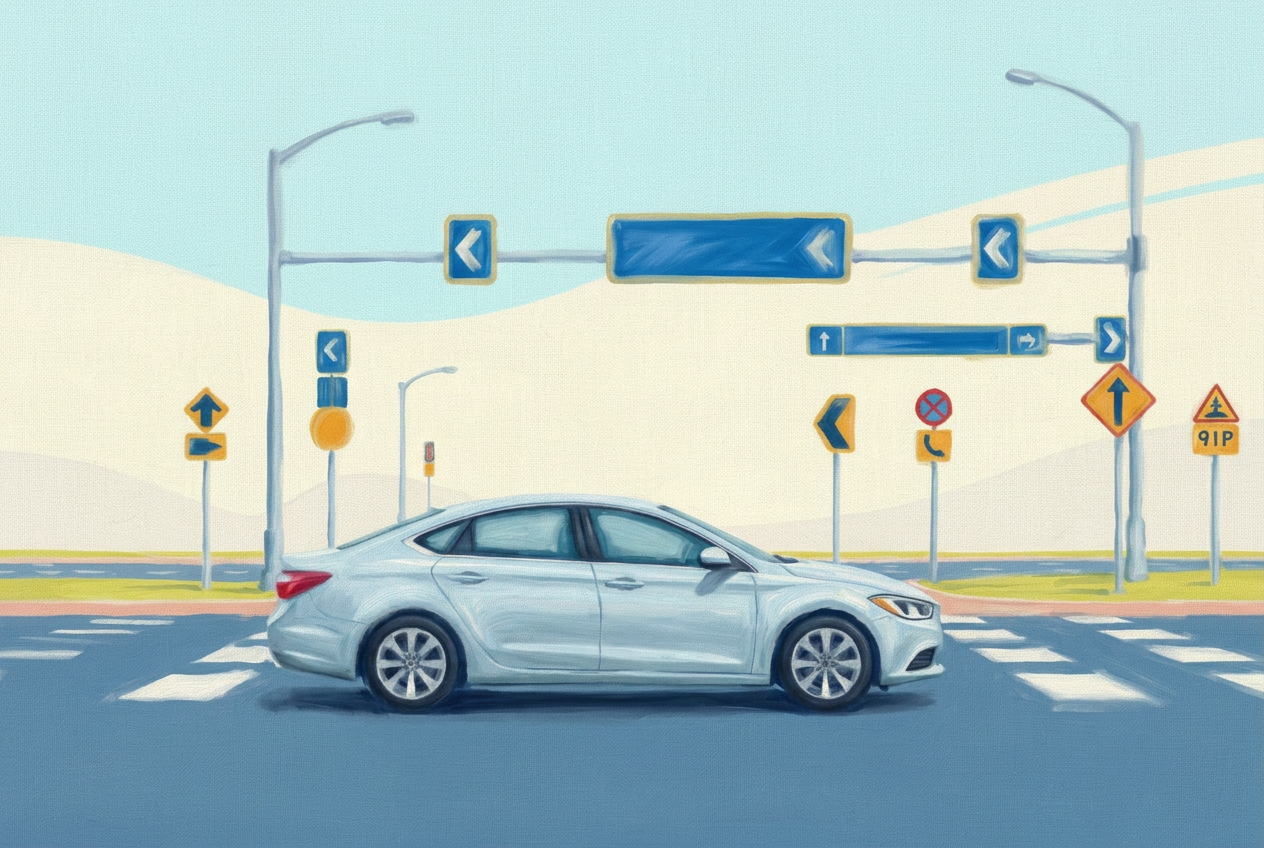
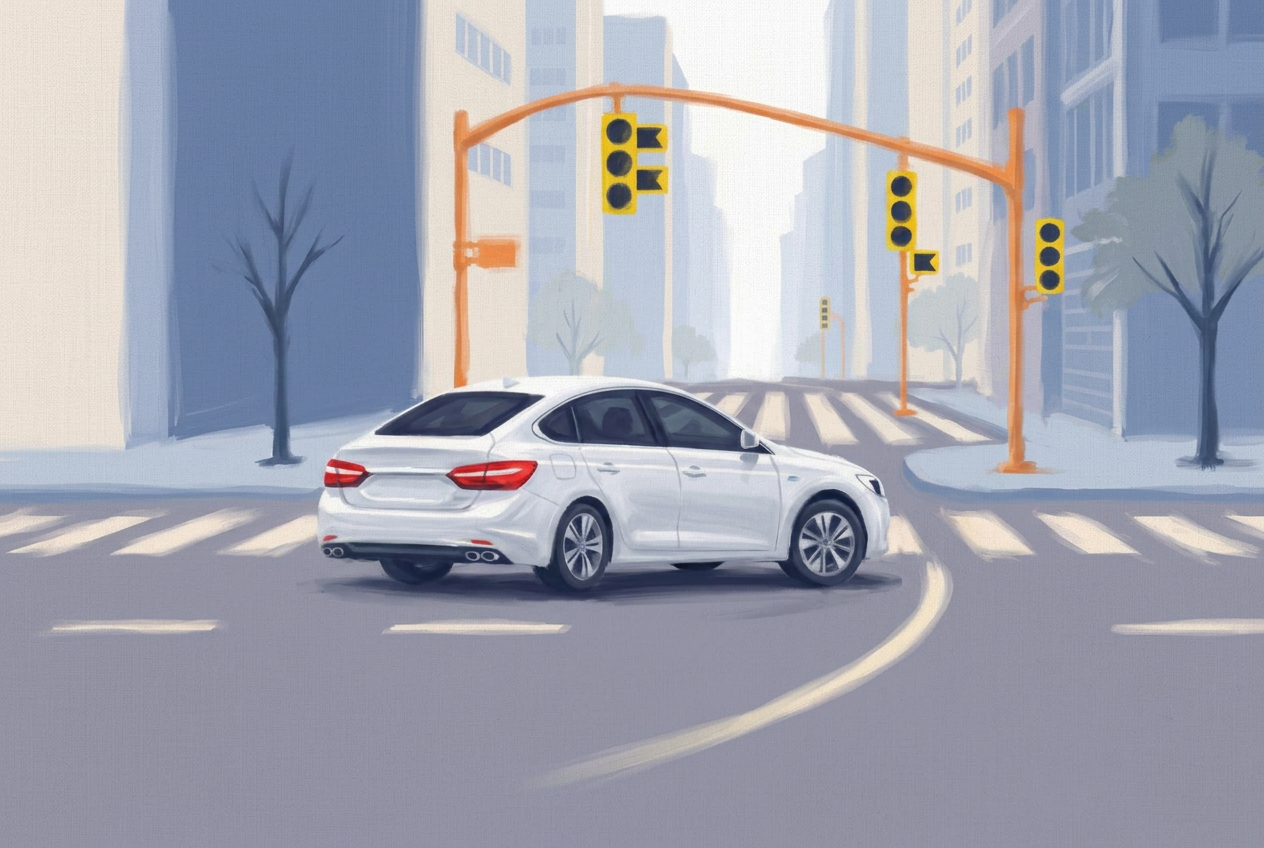
Intersections require rapid assessment of speed, distance, and timing. Left turns across traffic are especially demanding and may feel rushed for some older drivers.
Many drivers adapt by waiting for larger gaps or choosing intersections with protected turn signals, which reduces risk without limiting independence.
Highway Merging and Lane Changes
Merging onto highways requires quick decision making and confident acceleration. Slower reaction time can make these situations feel stressful.
Planning routes, avoiding peak traffic hours, and signaling early help reduce time pressure and improve safety.
What Research Shows About Age and Reaction Time
Studies consistently show that average reaction time increases gradually with age, but individual variation is significant. Some older adults have reaction times similar to much younger drivers.
If represented in a chart, age groups would appear along the horizontal axis and reaction time in milliseconds on the vertical axis. The trend would show a gradual upward slope rather than a sharp increase.
Crash data indicates that older drivers tend to have fewer crashes overall but may face higher injury risk when crashes occur. This emphasizes prevention and preparation rather than restriction.
Sources commonly referenced for this data include the National Highway Traffic Safety Administration, Insurance Institute for Highway Safety, and academic transportation safety studies.
Real World Driving Scenarios for Older Adults
Consider a driver approaching a yellow light. A slightly slower reaction time means the decision to brake or continue takes longer. With close following distance, risk increases. With reduced speed and space, the situation becomes manageable.
In another scenario, a pedestrian steps into the roadway unexpectedly. A driver who drives at lower speeds and scans intersections actively can still stop safely despite slower reaction time.
These examples show that habits and preparation often matter more than raw response speed, especially when combined with the kind of cognitive load and decision making changes that occur behind the wheel after 60.
How Driving Education Supports Reaction Time Management
Mature driver education focuses on compensation strategies rather than testing physical speed. Courses emphasize scanning techniques, spacing, hazard anticipation, and decision timing.
Completion of a mature driver course may qualify drivers for insurance discounts, depending on state rules and insurer policies. These courses are also commonly used to help prevent premium increases following tickets or incidents.
Programs offered through Mature Driver Improvement are designed to support safer driving behaviors without guaranteeing outcomes. Eligibility and insurer recognition vary by provider and location. These strategies are part of a wider picture of how driving education helps drivers adapt to age related changes.
Frequently Asked Questions
Understanding Reaction Time and Driving Safety
Reaction time naturally changes with age, but it does not determine driving ability on its own. Awareness of these changes allows older drivers to make practical adjustments that support safety, confidence, and independence.
By maintaining space, choosing appropriate driving conditions, and considering education options, drivers can continue driving responsibly while protecting both mobility and financial stability.